


Finding a Silver Lining After a Loss
Change is inevitable, but when it involves loss, we can get stuck in grief and anger rather than accepting what’s happened and moving forward. Yet when I was a practicing licensed clinical psychologist, I often saw clients who had received a deeply distressing diagnosis or another devastating loss find silver linings that were initially hidden from them. I watched people with terminal illnesses grow in self-awareness, access and express their long-repressed feelings, and recognize at last what they most valued. They healed old wounds, reached out to those they loved to reconnect—and even sometimes said “I love you” to someone important for the first time. They told me they felt a greater sense of peace and far less fear at the prospect of death, even if they didn’t believe in an afterlife. My patients showed me that finding a silver lining after a loss can be possible even when the loss is devastating. I observed that there were several things these patients did that led them out of despair and anger and into a more peaceful state.
Reframe the loss as a transition. A loss is an ending, but after endings come beginnings. The next chapter of your life holds possibilities. That’s true even if you are now more aware than ever of your mortality, as my patients with dire prognoses taught me. What might be born or come into being as a result of the ending you’re experiencing or have just experienced? Maybe your life will get better in some ways that you haven’t considered yet. You can learn and grow from the loss. As you turn the page on your previous chapter, you can open yourself to opportunities for greater happiness, purpose, and fulfillment. You might not realize what you have been missing until the loss sheds light on it.
Experience gratitude. Change often awakens us to what we’ve taken for granted. After overcoming a cold, that first day when you realize you don’t have to constantly cough or blow your nose, you probably feel a lift in your spirits. You appreciate the comfort you feel in your body on days when you’re not sick. But if you’re like most people, you soon forget how good it feels to breathe easily.
It’s natural for us to overlook everyday good fortune, but losses can nudge us to focus on these even more and feel grateful for what we have instead of sad or angry about what we don’t have. You can more easily maintain a positive, optimistic attitude if you observe and acknowledge things that contribute to your well-being: people who support you, access to resources, and so on.
Being grateful can help you leave behind painful feelings after a loss. For example, a friend of mine had a health crisis and realized very quickly that although she had often felt isolated and invisible, she had a far stronger and more present community than she had imagined. As people offered and gave her assistance, from driving her to and from medical appointments to doing yardwork for her, she was deeply humbled and comforted by the evidence that she’d had supportive friends, family, and neighbors she hadn’t realized truly would be there for her when she most needed them. She felt much more optimistic—and grateful—as a result. What resources and support might you be overlooking or taking for granted that your loss could reveal?
Be honest about your priorities and honor them. Loss can open our eyes to the fact that we haven’t prioritized what we say we value, such as working less and enjoying life more, standing up for ourselves and living more authentically, and expressing our feelings. Change invites us to repair frayed or damaged relationships and connect more deeply with those we love before it’s too late. Now that I’m in my eighties and have health issues that make me more aware that I don’t have an infinite number of days left, it’s easier for me to say no to requests that would take time away from doing what I most value. If you want to live a happy, fulfilling life, live it more consciously, making choices that align with who you really are.
You can use losses as opportunities to reflect on your priorities, which can change over time. Maybe on some level, you wanted change but didn’t know how to bring it about, or you lacked the courage to make it happen. Could your loss be a launchpad for a positive change you’ve wanted to make? For example, maybe the end of a friendship or relationship that was causing you stress and heartache has cleared space for you to spend more time with people you find it easier to be around—and with yourself, doing what makes you happy.
And could you now choose to focus on what makes you happy instead of on the small annoyances that stress you out? A new focus could even help you avoid those annoyance by getting you to see which activities you can cut out and which to prioritize.
Connect with your creativity. You can both grieve your loss and use your creativity to develop new ways to meet your needs, such as coming up with ideas for how to socialize after losing a significant relationship. You can be creative in finding resources, whether it’s organizations, people, books, or something else that can help you adjust to your loss and see new possibilities for yourself—or that can provide you with practical or emotional support.
Access your hidden wisdom for insights. Deep within you, your hidden wisdom has information that can support you in finding and stepping onto a new path, locating resources, and letting go of feelings of despair and loneliness. You can set an intention before falling asleep to have a dream that reveals something from your hidden wisdom—or you can do a shamanic journey, a guided visualization, or use another technique for tapping into the wisdom within you. What you discover could be a silver lining that shifts your perspective and helps you see ways in which the loss, while deeply upsetting, has opened a door to a happier state of being.
As bleak as things can seem after a loss, finding a silver lining might be possible if you take some time to work with these suggestions.
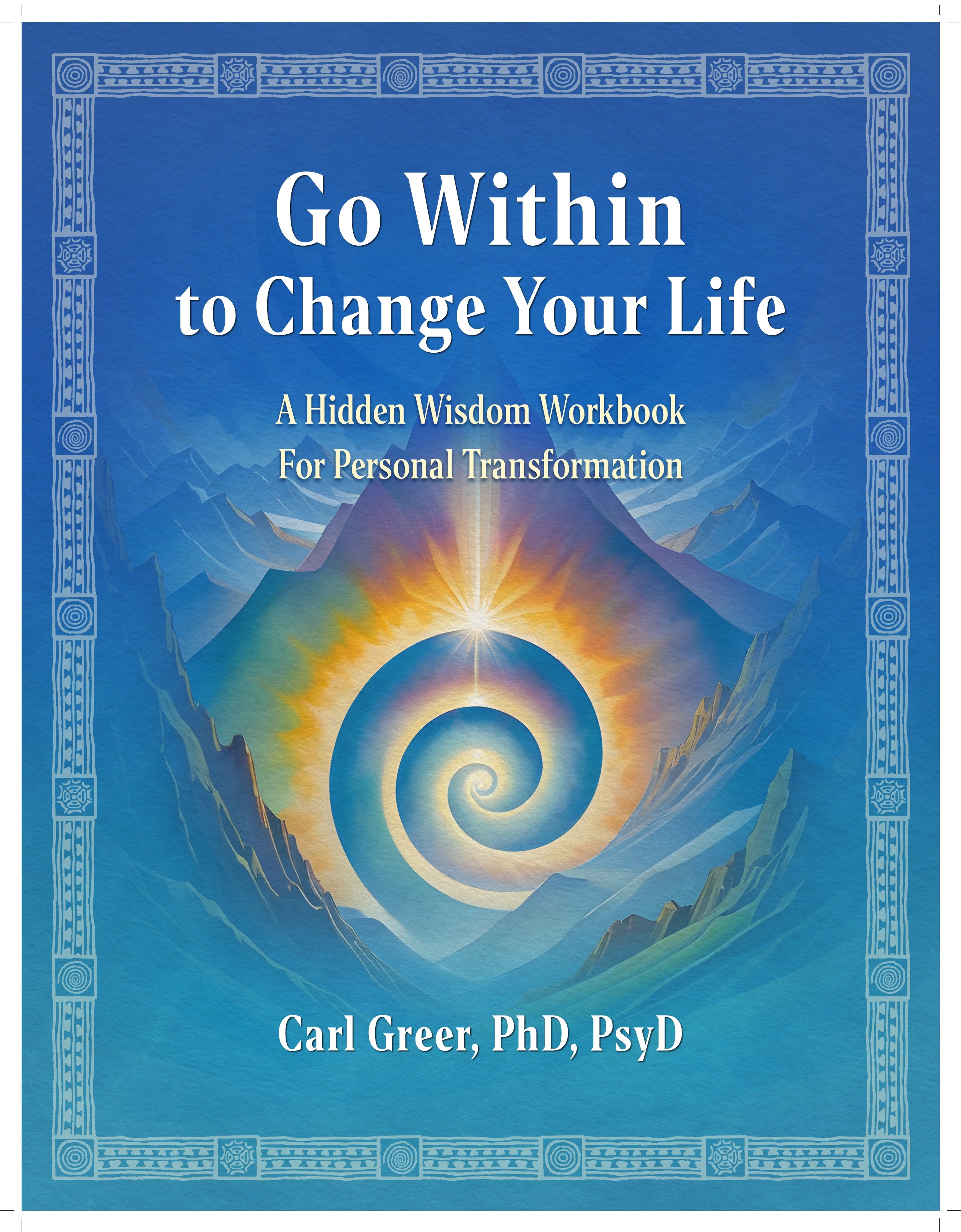
Carl Greer, PhD, PsyD, is a retired clinical psychologist and Jungian analyst, a businessman, and a shamanic practitioner, author, and philanthropist, funding over 60 charities and more than 2,000 past and current Greer scholars. He has taught at the C.G. Jung Institute of Chicago and been on staff at the Replogle Center for Counseling and Well-Being. His new book is Go Within to Change Your Life: A Hidden Wisdom Workbook for Personal Transformation. Learn more at
https://CarlGreen.com
Book cover by Damian Keenan
Image of Carl Greer, PhD, PsyD by Heidi Aubin
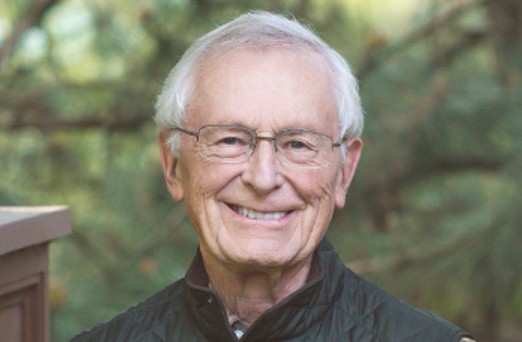
Carl Greer, PhD, PsyD
