


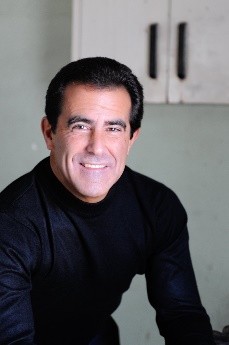
Faust Ruggiero
Bringing information from The Fix Your Anxiety Handbook, The Fix Your Depression Hand- Book, The Fix Your Internal Language Handbook, and The Fix Your PTSD Handbook into a coherent understanding of the progression of trauma to PTSD, and what can be done about it.
By Faust A. Ruggiero, M.S.
By Faust A. Ruggiero, M.S.
For some people, a traumatic event may have ended, but the mind and body experience a difficult time resetting, and continue responding as though the danger is still present. Memories may intrude without warning. Anxiety may keep the nervous system on high alert. Anger may become a protective or reactive response. Depression may create withdrawal and hopelessness, and the negative internal language people repeatedly say to themselves can reinforce all of these reactions.
Post-traumatic stress disorder (PTSD) is not simply one symptom. It can affect thoughts, emotions, behaviors, relationships, physical reactions, and a person's sense of safety. Understanding how depression, anger, anxiety and negative internal language interact to exacerbate PTSD can be an important part of one’s recovery plan.
Trauma Can Create a Cycle
One way to understand PTSD is to look at the interactions among what happened, what we think about what happened, what we feel, and how we respond.
A traumatic experience can leave a person asking:
- Am I safe?
- Can I trust people?
- Why did this happen to me?
- Could it happen again?
- Is something wrong with me?
- Will I ever feel normal again?
That can create the following cycle:
Trauma → fear → avoidance → isolation → negative thinking → depression or anger → greater anxiety → increased sensitivity to reminders → continued distress.
PTSD Responses
Anxiety: When the Body Continues to Sound the Alarm
Anxiety can become one of the most recognizable consequences of trauma. A person may become highly alert to sounds, people, places, conversations, or situations that resemble something connected to the traumatic experience, a condition called hyperarousal. The body can react before the person has consciously processed what is happening. This can produce racing thoughts, physical tension, sleep difficulties, panic, irritability, and a persistent sense that something bad is about to happen.
Trauma can change the way ordinary situations are interpreted. Recovery therefore involves learning to distinguish a present threat from a reminder of a past threat. That distinction can become an important turning point for someone suffering from PTSD.
Anger: The Protective Emotion That Can Become a Problem
Anger after trauma is understandable. Someone who has been hurt, betrayed, threatened, abused, or placed in a dangerous situation may understandably feel angry about what happened. Anger can temporarily create a sense of strength when a person otherwise feels powerless, but it can also become a persistent response. Heightened sensitivity following trauma can contribute to anger, irritability, reckless behavior, relationship problems, and distancing from people who might otherwise provide support.
The goal is not to tell a traumatized person that they should never feel angry. The goal is to help them understand where there is coming from. There is a significant difference between: "I am angry." and "Because I am angry, I have to act aggressively." The first is an emotional observation. The second turns an emotion into a behavioral command. Knowing where the anger is coming from is the first step in gaining control of it.
Depression: When the Future Begins to Look Like the Past
Depression can develop alongside trauma-related symptoms. A person may withdraw from family and friends, lose interest in activities, experience persistent sadness, struggle with motivation, or begin believing that nothing will change. Trauma can also influence a person's interpretation of the future. If someone begins thinking, "Nothing will ever get better," the statement may start to feel like a fact rather than a thought.
When this happened, a person may feel as though there is no reason to even try to get better. They can become locked in a meaningless and dark world they are using to protect themselves from experiencing a reoccurrence of the pain the trauma left behind. Depression can lead to isolation, feelings of worthlessness, and in extreme cases, suicide.
Negative Internal Language: The Voice That Can Keep Trauma Alive
One of the least visible parts of trauma recovery may be the conversation a person has with themselves. After trauma, internal language can become harsh:
- "I'm weak."
- "I should have prevented it."
- "Nobody can be trusted."
- "I'm damaged."
- "It's my fault."
- "I'll never be the same."
PTSD Is Not a Permanent Identity
Perhaps one of the most important distinctions in trauma recovery is the difference between having PTSD symptoms and believing that PTSD defines who you are.
- A person can experience trauma without becoming the trauma.
- A person can experience anxiety without being an anxious person.
- A person can experience anger without being an angry person.
- A person can experience depression without being a hopeless person.
- And a person can experience PTSD without PTSD becoming their entire identity.
Recovery Begins With Understanding the Pattern
Recovery is rarely about eliminating every difficult emotion immediately. It is about learning to recognize patterns and respond differently.
Consider this simple process:
- Identify the trigger––What happened immediately before the emotional reaction?
- Identify the reaction––Was it fear, anger, sadness, shame, panic, withdrawal, or another response?
- Identify the internal language––What did you say to yourself?
- Separate past from present––Ask: "Am I responding to what is happening now, or am I reacting to what happened then?"
- Choose a healthier response––Instead of automatically avoiding, attacking, withdrawing, or catastrophizing, consider what response serves you in the present moment.
- Get professional support––Enlist the services of a counselor to help you.
Processing Trauma Does Not Mean Reliving It Alone
One common misconception is that recovery requires someone to simply think about the trauma until it goes away. Effective trauma treatment is more structured than that. For example, prolonged exposure therapy helps individuals gradually approach trauma-related memories, feelings, and objectively safe situations that have become associated with fear. The purpose is to help the person learn that trauma reminders are not necessarily present-day dangers.
Cognitive processing therapy takes another approach, helping individuals examine beliefs and "stuck points" associated with the trauma. The appropriate treatment depends on the individual, their symptoms, history, preferences, and clinical needs. EMDR (Eye Movement Desensitization and Reprocessing) therapy can help people heal from the symptoms and emotional distress caused by disturbing life experiences and trauma.
Building a New Relationship With Yourself
Recovery ultimately involves more than reducing symptoms. It involves rebuilding a relationship with yourself. That can mean learning that:
- I can acknowledge what happened without allowing it to control every decision I make.
- I can experience anger without allowing anger to control my behavior.
- I can experience anxiety without assuming that anxiety means I am in danger.
- I can experience sadness without deciding that my future is hopeless.
- I can challenge thoughts that tell me I am permanently damaged.
- I can ask for help without viewing that request as weakness.
The Road Forward
Trauma can change the way a person sees the world. It can make safety feel uncertain, relationships feel dangerous, emotions feel overwhelming, and the future feel inaccessible, but trauma does not have to have the final word. The road to recovery begins by recognizing the connections among thoughts, emotions, physical reactions, behaviors, and internal language. Anxiety, depression, anger, and negative self-talk can become intertwined with PTSD symptoms, but that cycle can be successfully treated. The objective is not to erase the past. It is to prevent the past from controlling the present.
Healing begins when a person can say: "This happened to me. It affected me. But it does not have to define every part of who I am or everything that happens next."
For anyone experiencing significant trauma symptoms, professional evaluation and treatment are important. PTSD is a serious but treatable condition, and a qualified mental-health professional can help determine an appropriate treatment plan. If you are experiencing overwhelming pain from PTSD, and feel that you need immediate help, call the crisis line at 888-385-4657.
Faust A. Ruggiero, M.S., is a therapist, author, and creator of the Process Way of Life. His book The Fix Your PTSD Handbook is the seventh book in The Fix Yourself Empowerment Series and focuses on providing readers with a structured approach to understanding trauma and PTSD and moving toward recovery. www.faustruggiero.com